
You striped your drive. You stuck the approach. You walk onto the green feeling good about the hole — and then you three-putt it away.
Sound familiar? Here's the thing: that's almost never a talent problem. It's a feedback problem.
When you practise putting with a normal ball, you find out something went wrong only when the ball misses the hole. By then it's too late to know why. That's where flat golf balls come in — and once you've used one, it's hard to go back.
What Is a Flat Golf Ball?
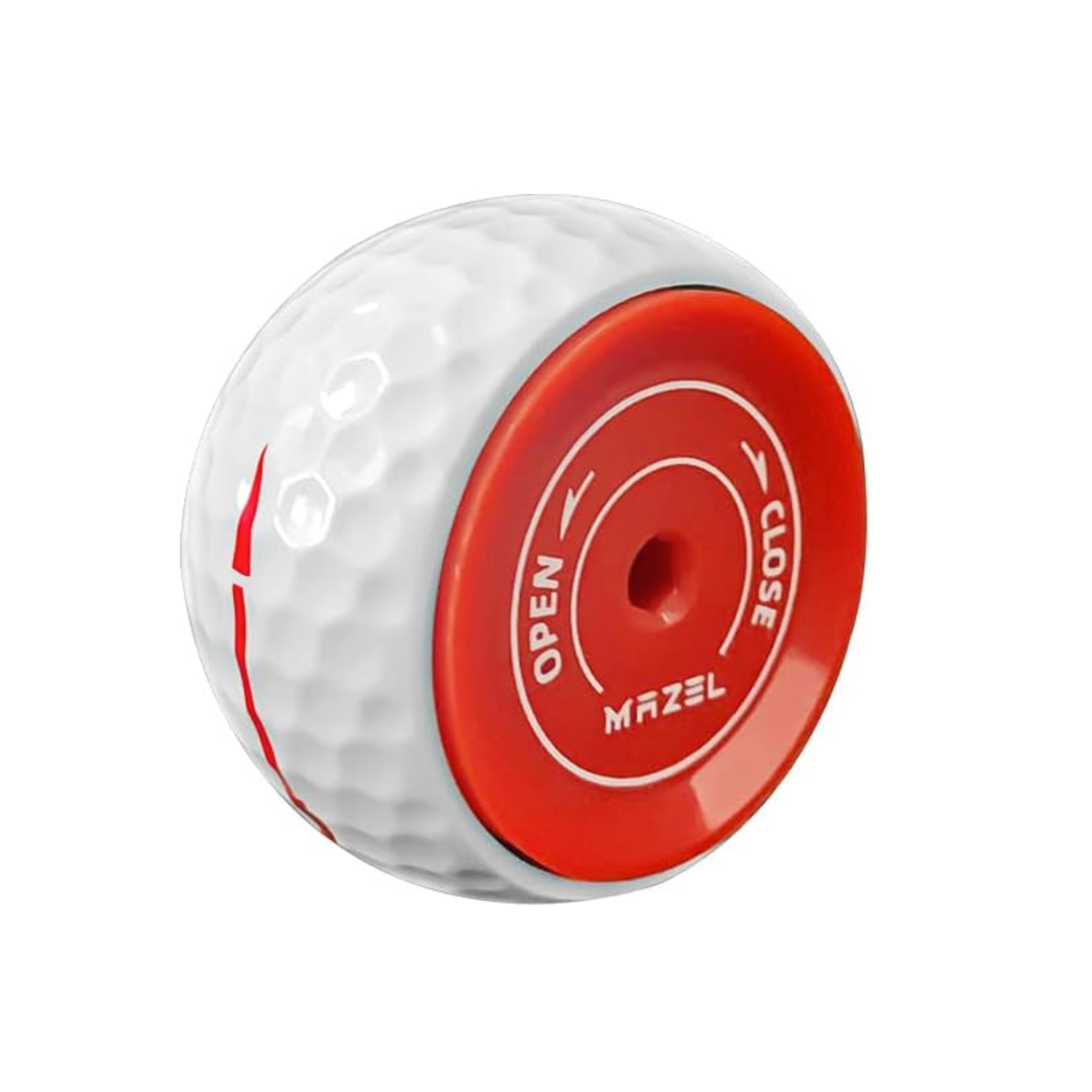
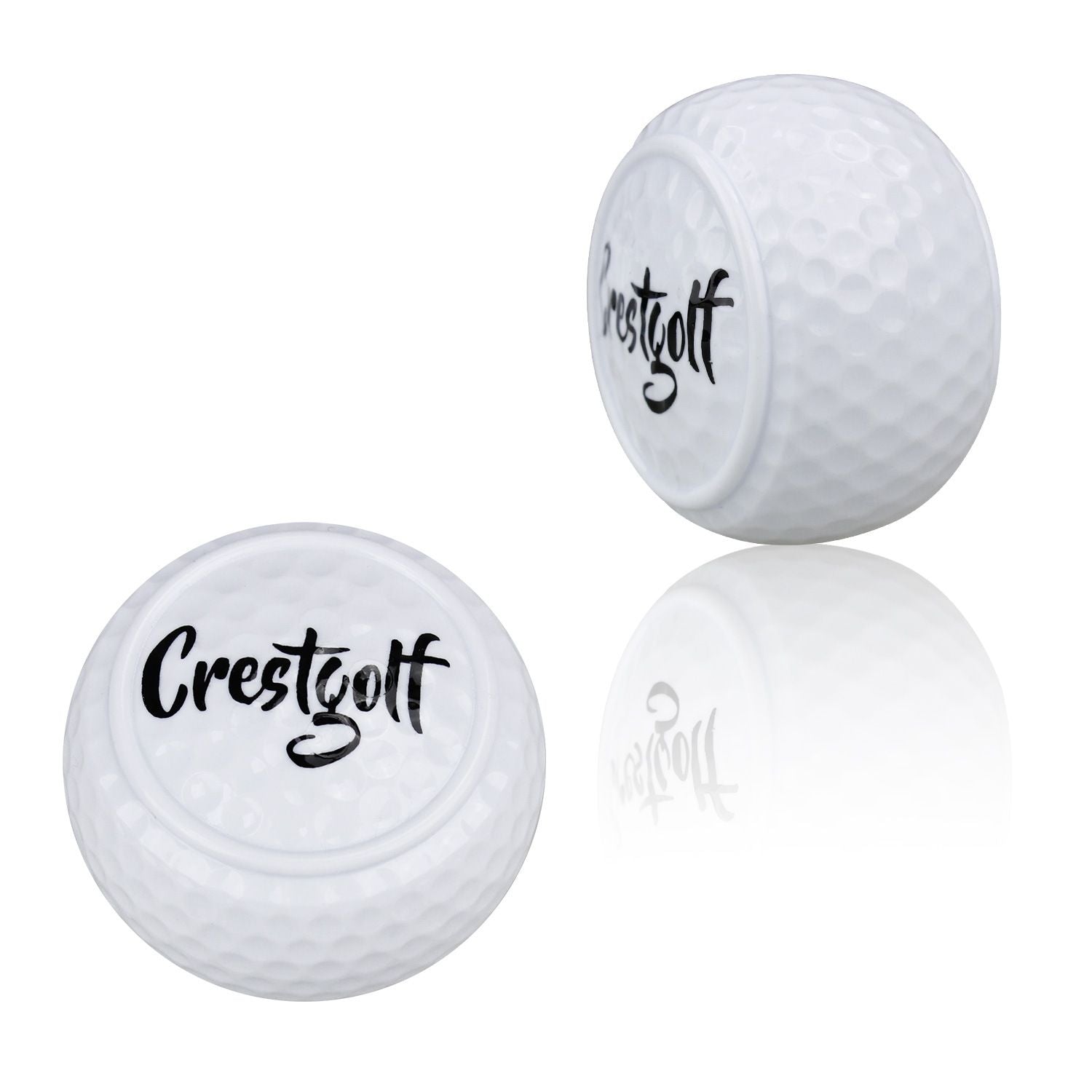
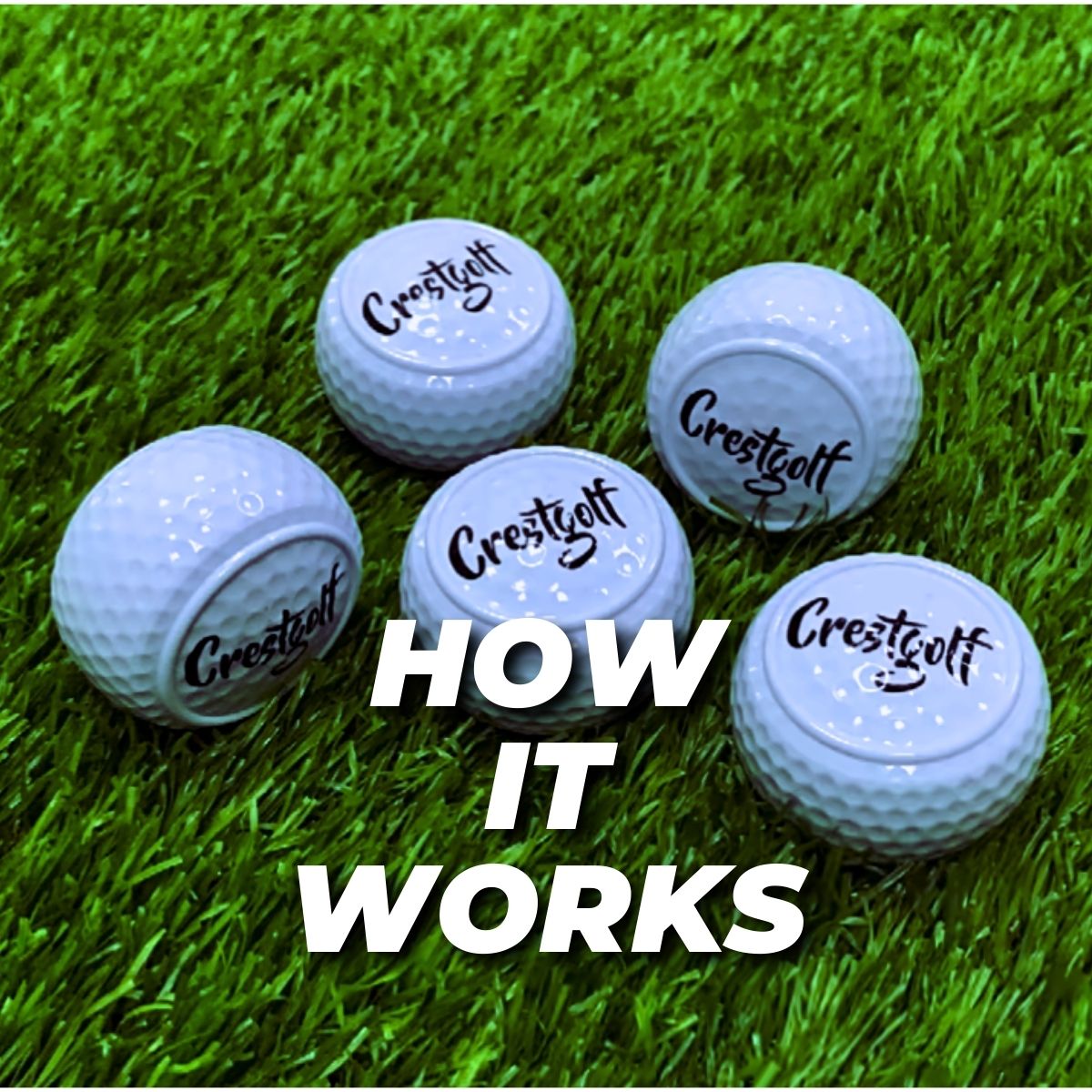
A flat golf ball is a putting training aid that looks like a regular golf ball with one important difference: instead of being perfectly round, it has flattened sides.
That single change transforms it into a putting feedback ball. Because it isn't a perfect sphere, it will only roll straight and true when your stroke is genuinely good. Hit it slightly off, and the ball tells you immediately — it tips over, wobbles, or veers off line.
No app. No sensors. No coach standing over your shoulder. Just instant, honest feedback on every single putt.
That's why coaches and low-handicap players have used flat ball putting training aids for years. It turns an invisible mistake into something you can actually see.

Why a Regular Golf Ball Hides Your Mistakes
Here's the uncomfortable truth about practising with a normal ball: a round ball is very forgiving. It rolls even when your stroke is poor.
Push it, pull it, hit slightly off the toe, leave the face a couple of degrees open — the ball still sets off toward the hole. It might curve away at the end. It might catch the lip. But by the time you see the result, three or four seconds have passed and you have no idea which part of your stroke caused it.
That delay is what kills improvement. Learning requires cause and effect close together. Miss a putt from eight feet and you'll guess: bad read? bad pace? bad stroke? You'll blame the green, adjust something random, and repeat the same mistake next week.
A flat putting ball collapses that gap to zero. The feedback happens in the first few inches of the roll — right where the mistake actually occurred.
How Flat Golf Balls Work: The Three Things They Show You
Flat golf balls reveal three distinct things, and it helps to work on them in order.
1. Putter Face Alignment
This is the first and most obvious signal. If your putter face is open or closed at impact, the flat ball won't roll cleanly on its flat plane — it tips over onto its side.
It's brutally simple: ball stays up and rolls = your face was square. Ball falls over = it wasn't.
Most golfers are genuinely surprised here. You can feel like you're aimed at the hole and still be several degrees off. The ball doesn't care what it felt like.
2. Hitting vs Rolling — The Wobble Test
Once your alignment is solid, look closely at the ball in the first foot of its roll.
Does it wobble and shudder as it starts moving? That means you're hitting the ball — striking down or jabbing at it, so it skids and bounces before it starts rolling.
Does it set off smooth and stable? That means you're rolling it — and a ball that rolls purely holds its line far better, especially on longer putts and imperfect greens.
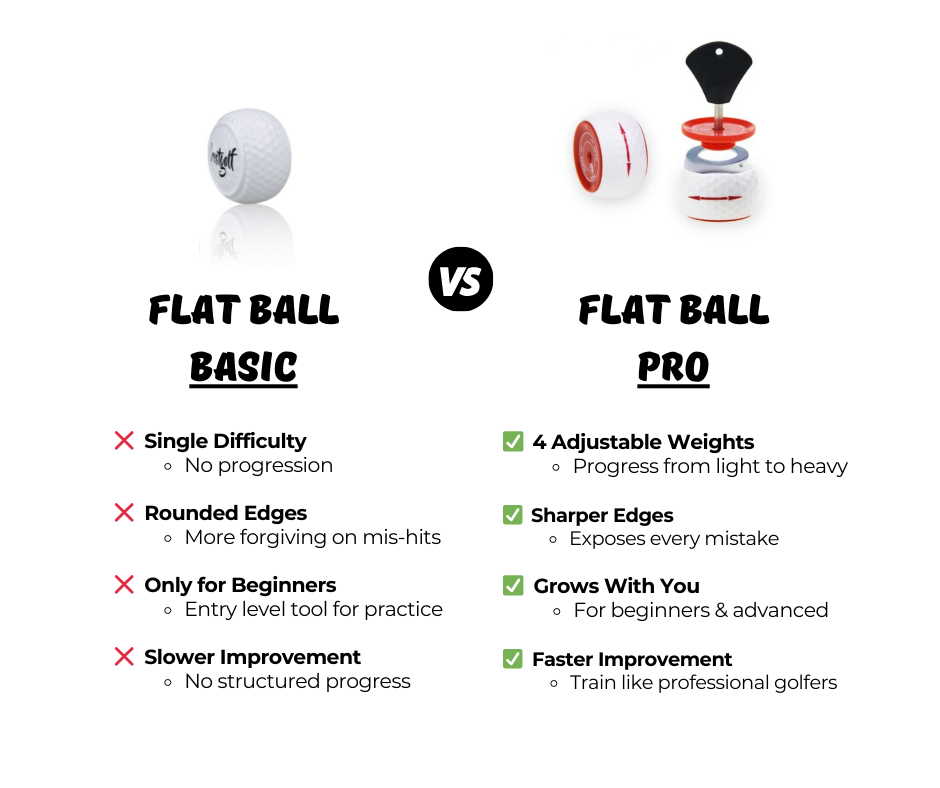
This distinction is what separates golfers who occasionally make putts from golfers whose putts behave predictably. A Flat Putting Ball Pro makes the difference impossible to miss.
3. Strike Consistency
The third layer is repeatability. Are you finding the centre of the face every time?
Hit ten putts in a row with a flat ball and you'll quickly see a pattern. If some roll beautifully and others tip and wobble, you have a consistency problem — and now you know it, instead of blaming the greens.
How to Practise With a Flat Golf Ball
Getting value out of a flat ball comes down to three rules.
Use it on a real putting green. This matters more than people realise. On a hard floor or short carpet there's almost no friction, so the ball keeps rolling and stays upright even after a poor stroke — you'll get misleading feedback. A proper practice green gives you the real thing.
Always putt at a target. Aim at the hole or at a marker. Your stroke path and pace change completely when you're actually trying to hole a putt versus casually tapping a ball around. Without a target, the feedback means very little.
A few minutes is enough. You don't need a new routine or extra gear. Five to ten minutes on the practice green before your round, every round, will do more for your putting than an hour of aimless practice once a month.
Work through the three signals in order: alignment first, then wobble, then consistency. Don't chase all three at once.
A Simple 3-Step Drill to Start Today
Try this next time you're on the practice green. It takes under ten minutes.
Level 1 — 0.5 metres (about 18 inches). Place two flat balls in a line and putt them one after the other, without pausing to reset. The goal is to hole both in a row with a clean roll. Miss one, and you start over.
Level 2 — 0.75 metres. Same routine, longer distance.
Level 3 — 1 metre. Same again. If you make a mistake at Level 2 or 3, go back to Level 1 and start from the beginning.
Sounds easy. It isn't. The moment you sink two in a row, your mind starts telling you you're about to miss — and learning to putt through that voice is exactly the point. This is a version of a drill used by some of the best players in the world, and it trains pressure as much as technique.
Who Should Use a Flat Golf Ball?
- Golfers who three-putt more often than they'd like. If short putts keep slipping away, this is the fastest diagnostic you can buy.
- Beginners. Building a repeatable stroke early is far easier than rebuilding a bad one later.
- Experienced players. Small alignment errors creep in over a season and are almost impossible to spot on the course.
- Anyone without time for lessons. A flat ball gives you a version of the feedback a coach provides — for a fraction of the cost.
Flat Golf Ball vs Other Putting Training Aids
There's no shortage of putting aids. Here's roughly how they compare:
- Putting mirrors are excellent for setup and eye position, but tell you nothing about how the ball actually rolls.
- Alignment sticks help with aim and stroke path, but again — no roll feedback.
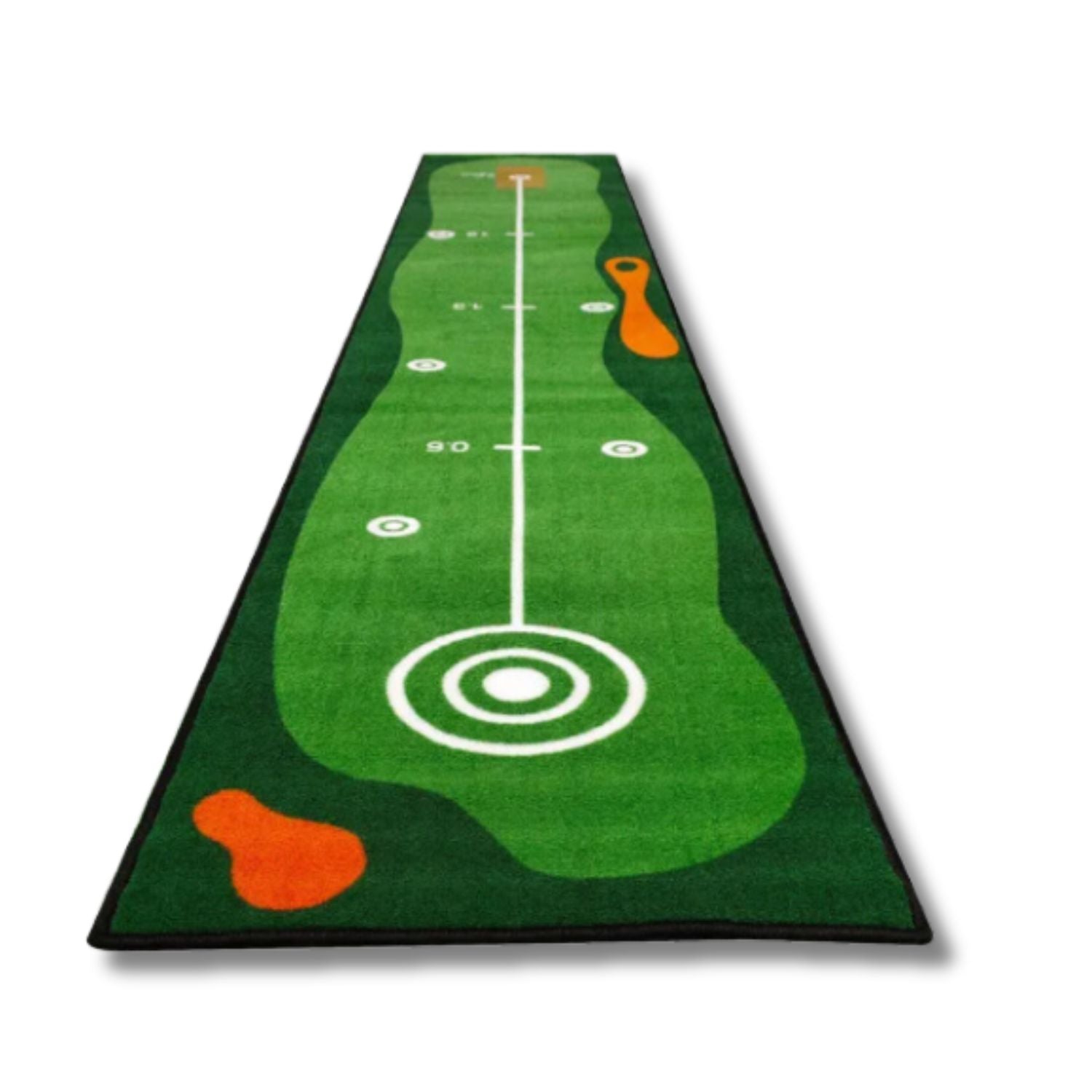
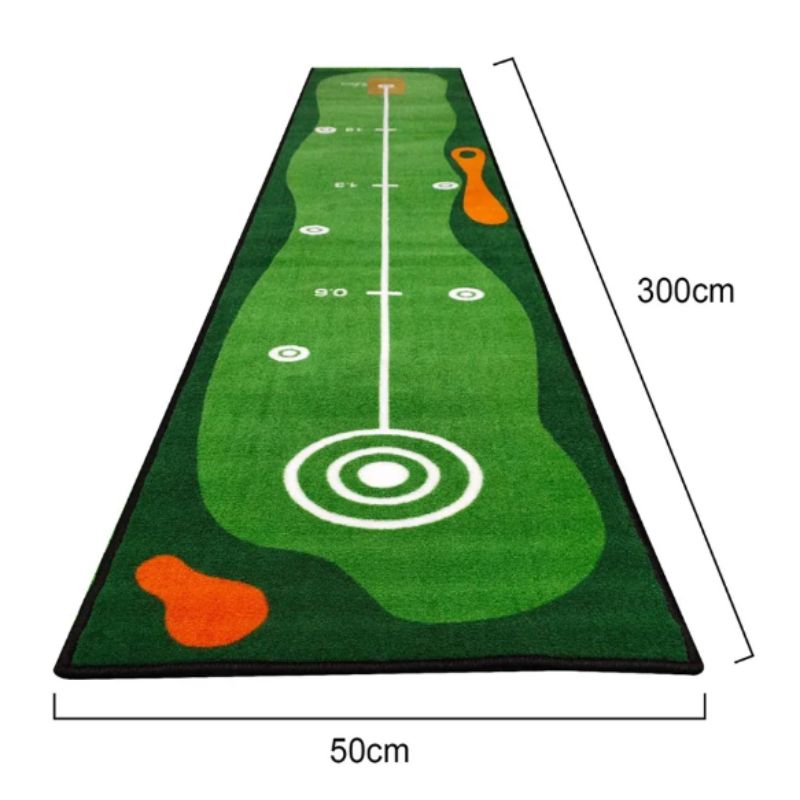
- Putting mats are useful for volume at home, though the surface never quite matches a real green.
- Flat golf balls are the only option that shows you the quality of the roll itself, on a real green, for the price of a couple of sleeves of balls.
The honest answer is that they complement each other. But if you're buying one thing first, buy the one that tells you the truth about your stroke.
Frequently Asked Questions
Do flat golf balls really work? Yes — because they don't rely on you interpreting anything. The ball either rolls cleanly or it doesn't. That immediate, objective feedback is what makes improvement stick.
Can I use a flat golf ball at home? You can, but the feedback is far less accurate on carpet or hard flooring because there's much less friction than on a green. For real results, use it on a practice green.
Are flat golf balls legal for play? No. They're training aids, not conforming golf balls, so they're for practice only — not for competitive rounds.
How long until I see improvement? Most golfers notice their alignment errors on the very first session. Building a consistently smooth roll takes longer — a few weeks of regular short sessions is realistic.
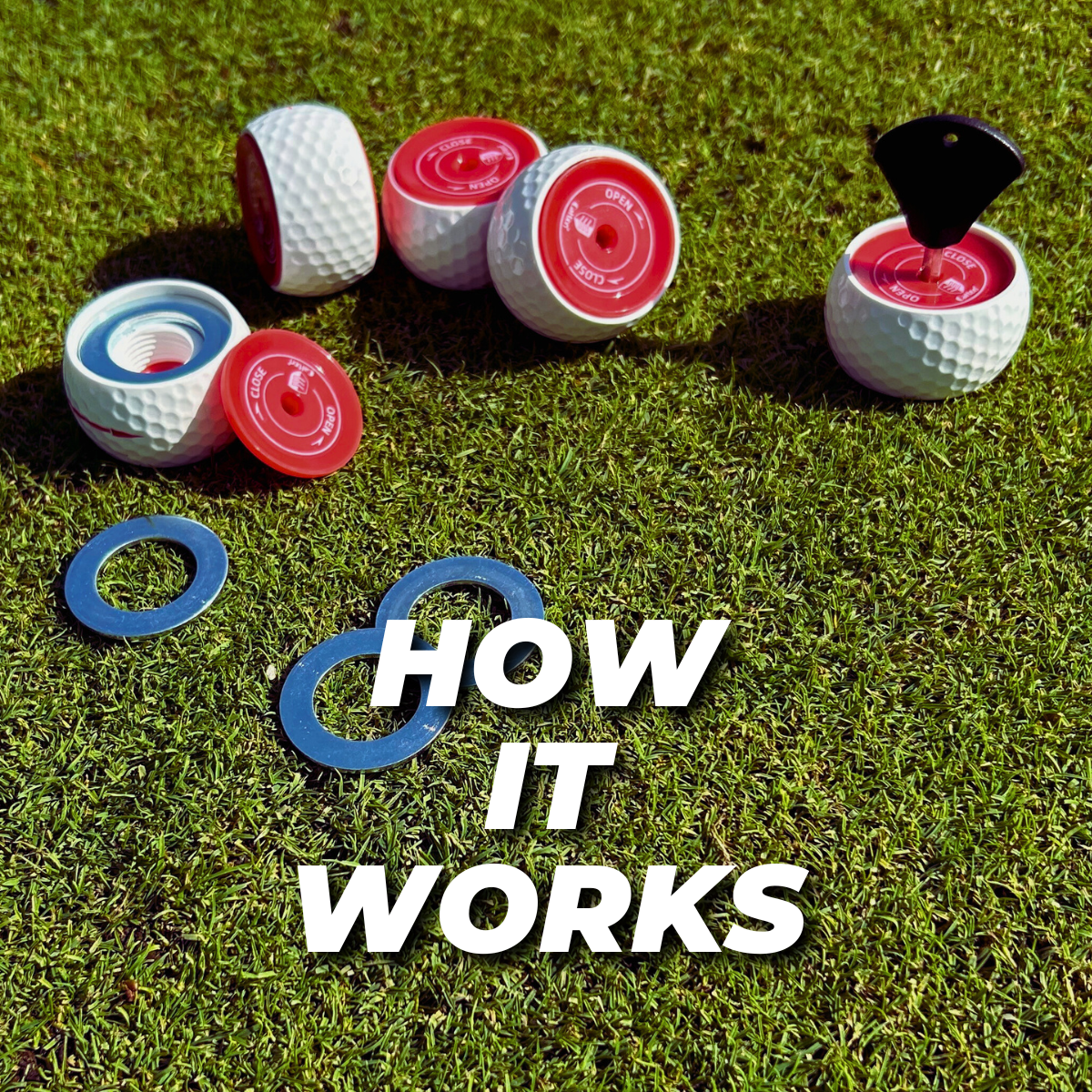
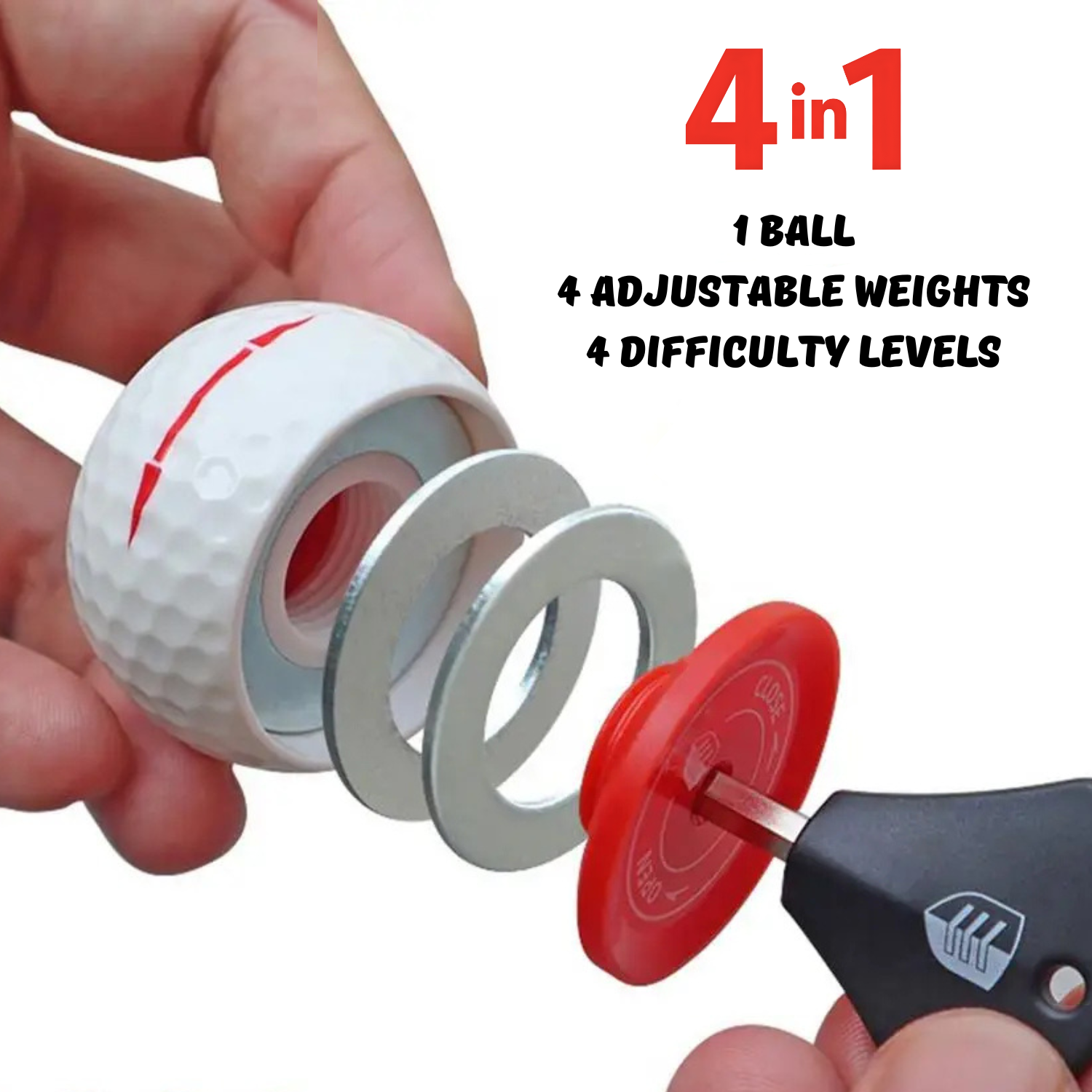
What's the difference between a flat ball and a weighted flat ball? A weighted version lets you adjust the difficulty. Heavier settings are more forgiving and ideal when you're starting; lighter settings demand a purer stroke, so the aid keeps challenging you as you improve.
Start Seeing What Your Stroke Is Really Doing
Three-putts aren't bad luck. They're the result of small stroke errors that a normal golf ball simply doesn't show you.
A flat putting ball removes the guesswork. Alignment, roll quality, consistency — all visible on every putt, in a few minutes on the practice green.
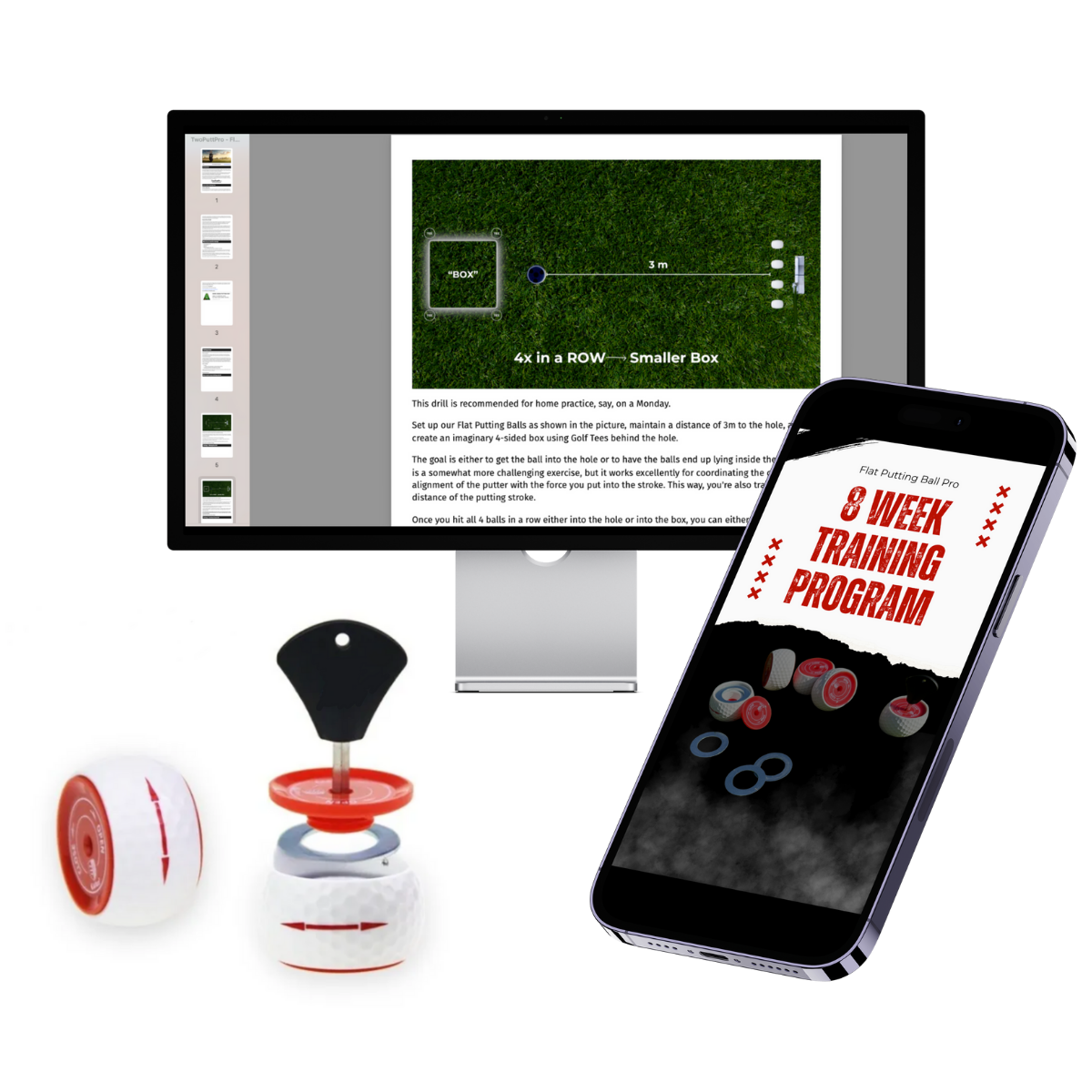
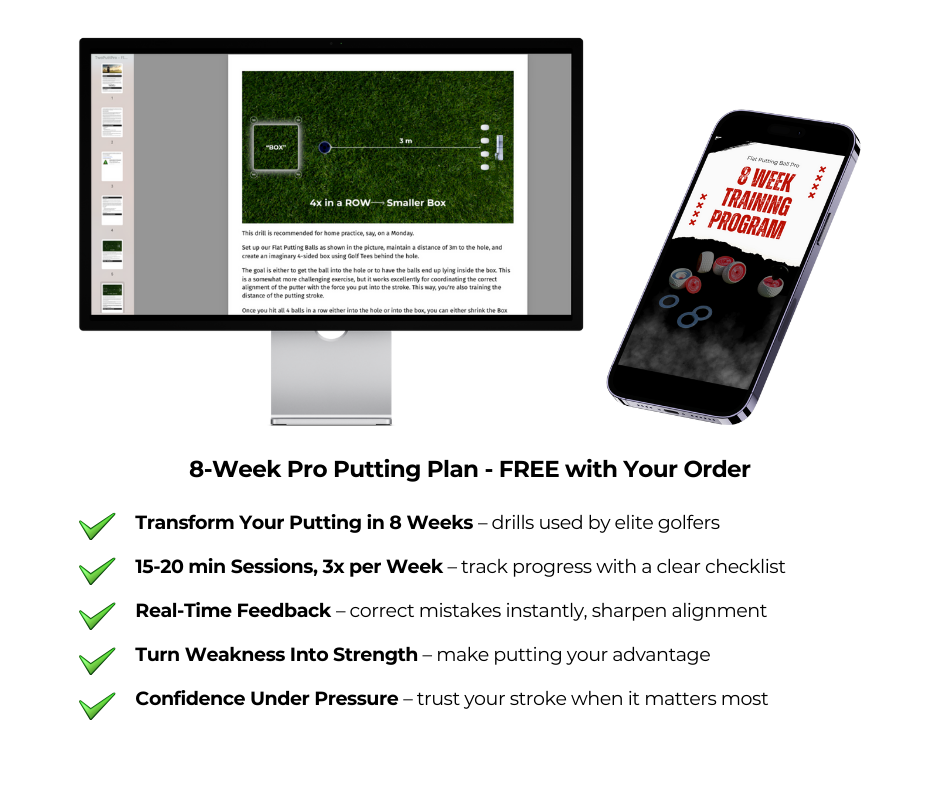
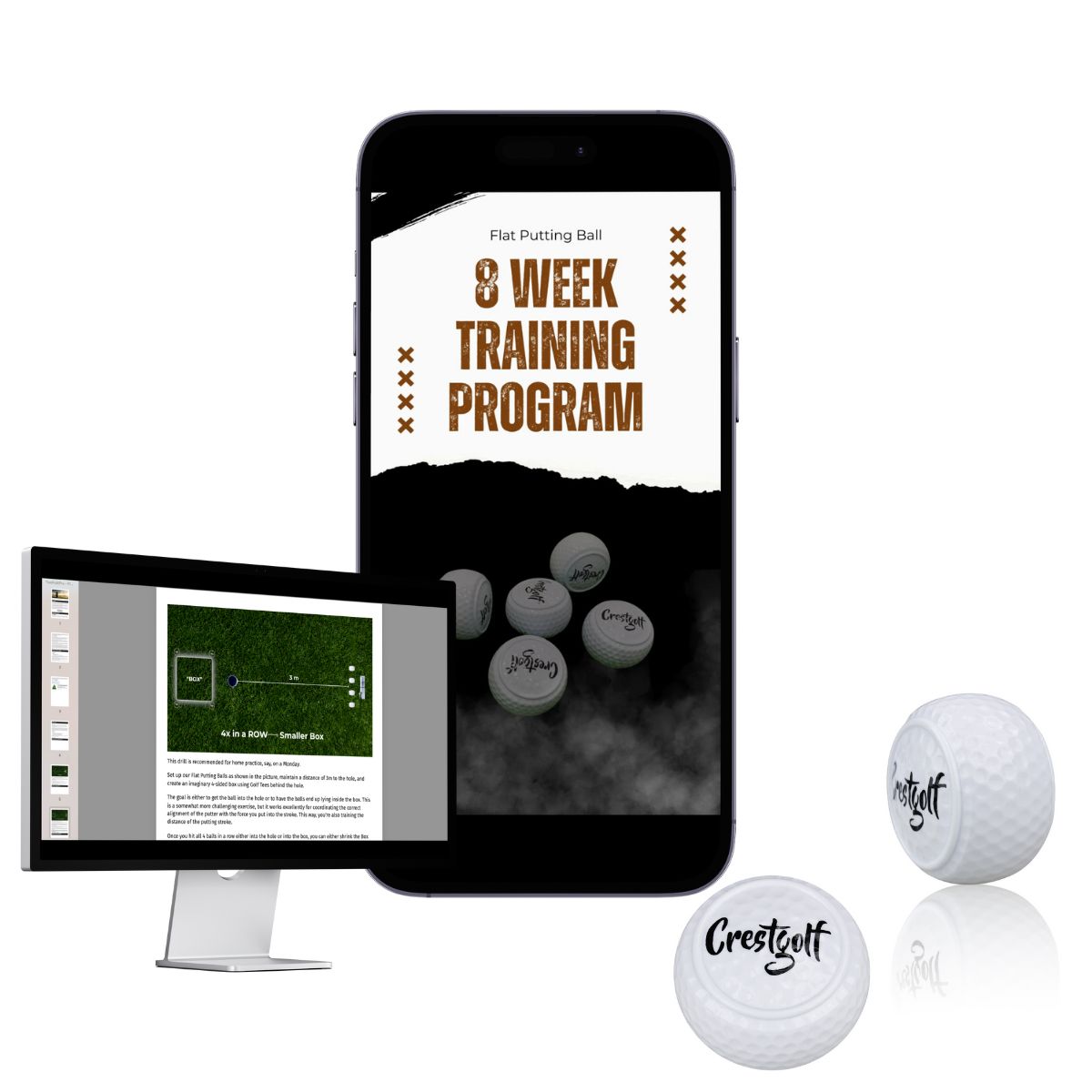
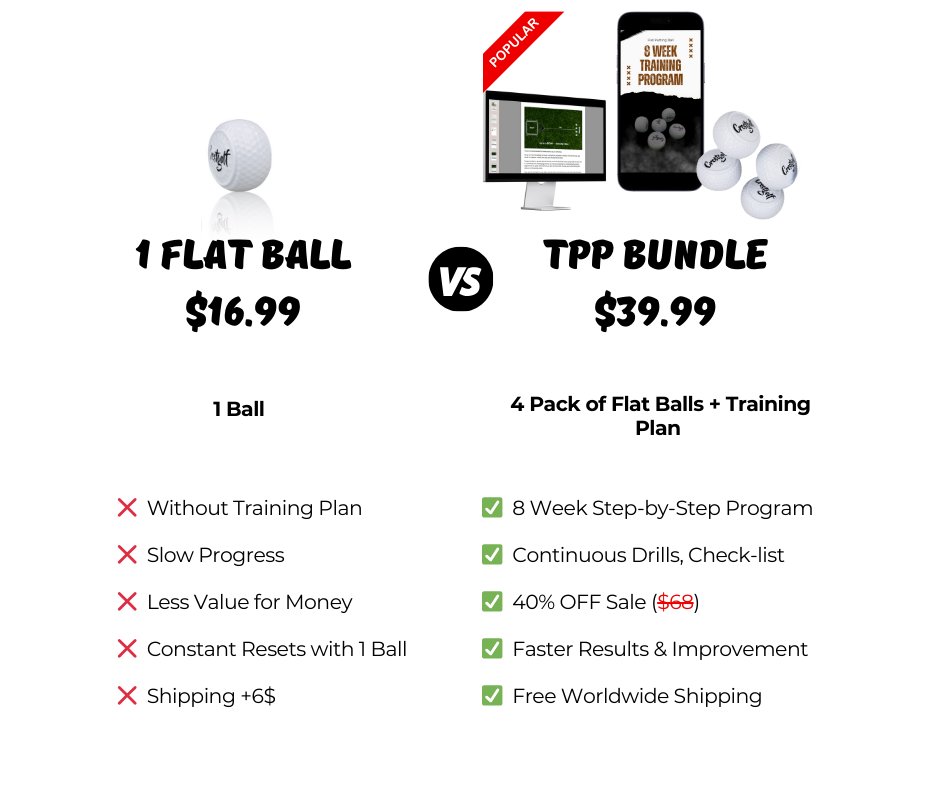
The Flat Putting Ball Pro does exactly that, with four adjustable weight settings so it scales as your stroke improves — and it comes with our free 8-week training plan to give your practice a structure. From $25.95.
Your next round starts on the practice green. ⛳